Essentially, this is a proposal for regression aimed at dismantling the legal, social, and solidarity framework that protects workers, contradicting principles enshrined in the National Constitution and in international labor and social rights treaties ratified by Argentina. The weakening of the union actor and collective bargaining is not a side effect, but one of the central objectives of this initiative. This is not a sectoral discussion, but a defense of constitutional principles, collective rights, and a social protection system that guarantees health, predictability, and dignity. The Congress has the historical responsibility of evaluating the real consequences of a project that cannot be presented as a solution when it weakens labor, collective bargaining, and the solidarity system of social services.
By eroding these tools, an attempt is made to regress to a pre-social constitutionalism scheme, where the worker is left exposed to an unequal relationship, without effective protection and with a State that abdicates its role as guarantor of the general interest. This path does not generate genuine employment or development; it generates precariousness, conflict, and exclusion. One of the most serious aspects of the project is its direct impact on the social services system and, by extension, on the health system.
It is particularly alarming the total absence of definitions on the financing, control, and evaluation of high-cost drugs and treatments, one of the main factors of economic pressure on the health system. The initiative also does not contemplate transition periods or gradualism schemes, limiting itself to reducing income without planning or institutional responsibility.
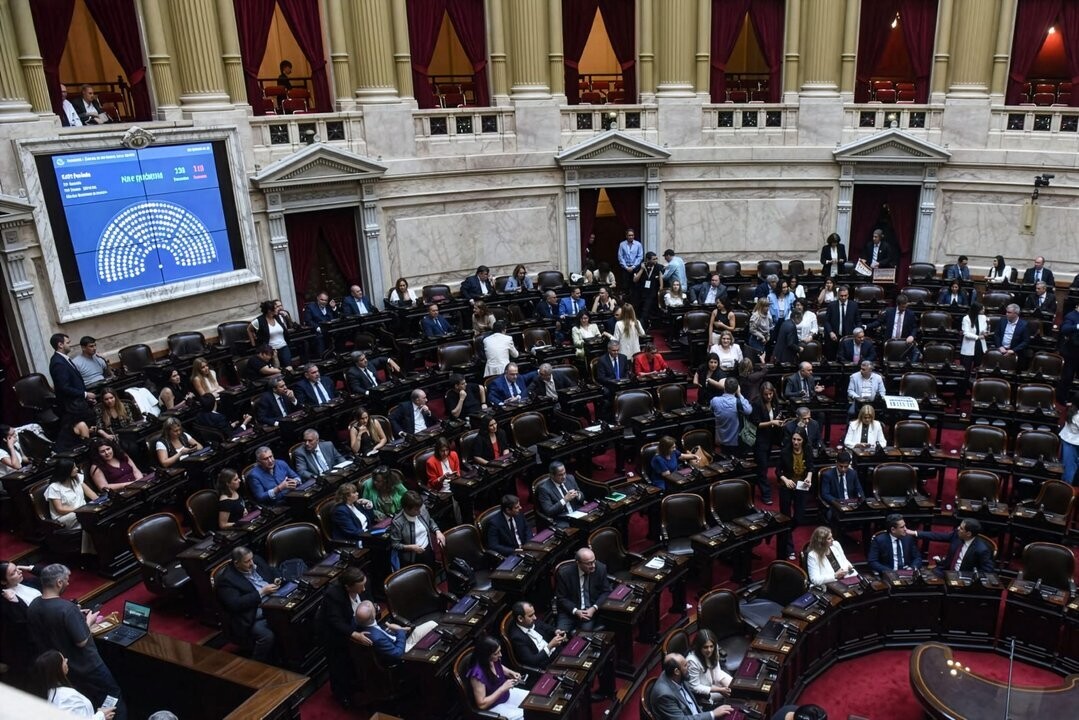
In the face of this scenario, the opposition of the organized labor movement to the labor reform must be total and without ambiguities. Buenos Aires, January 31 (NA) – The so-called labor reform promoted by the national government is not a process of modernization or a necessary update of the labor relations system. The reduction of the employer contribution from 6% to 5% implies a relative decrease of 16.7% in that tax collection component, without compensatory mechanisms or impact assessments that allow absorbing that loss without affecting essential benefits. To this is added the reform of the monotributo regime, which deepens the segmentation of the labor market, encourages precariousness, and further reduces the contributory base that supports the solidarity health system. The Senate will debate the labor reform.